Showing posts with label CNN World. Show all posts

Thursday, October 4, 2012

Iran arrests 16 'main players' in currency crisis


STORY HIGHLIGHTS


  • Iran arrests 16 "players" in currency freefall

  • They "amassed illegal fortunes" through black market currency trading, Iran says

  • The country also arrested "agitators" from protests, including two Europeans

  • U.S. Secretary of State Clinton says the sanctions' goal is to get Iran to negotiate "in good faith"


Tehran, Iran (CNN) -- Iran arrested 16 people Thursday, accusing them of contributing to the currency crisis plaguing the country that has triggered protests in the streets.

Those arrested "were the main players in the recent fluctuations in the foreign currency market," the Tehran Judiciary said in a statement.

The move came a day after riot police worked to disperse protests in the capital's main bazaar and nearby streets. Demonstrators chanted slogans opposing firebrand President Mahmoud Ahmadinejad and decrying the skyrocketing cost of basic goods.

Some "agitators" and two European tourists who were gathering information about the protests were arrested Wednesday, the semi-official Mehr news agency reported.

Read more: Family of Iranian who defected is out of Iran, hiding for safety, attorney says

The rial's plummet to historic lows is the result of international sanctions, imposed largely by the United States and the European Union in an effort to pressure Iran to sit down for talks on its nuclear program.

"Our goal has been and remains to persuade the Iranian regime to negotiate seriously in good faith with the international community over its nuclear program, to fulfill its obligations to the International Atomic Energy Agency and to the United Nations and to do so expeditiously," U.S. Secretary of State Hillary Clinton said Wednesday.

Read more: Iranian jury finds Reuters guilty of lies in 'ninjas' report

Ahmadinejad and the country's supreme leader, Ayatollah Ali Khamenei, have assailed the sanctions, insisting "the enemy" will fail in its efforts and is hurting the Iranian people rather than the government.

But the protesters Wednesday made clear their anger with the president. The bazaar closed, but was open and apparently back to normal on Thursday, with only a few shops still closed.

Read more: Iran's news agency portrays satirical Onion story as its own

Ahmadinejad, in a speech this week, also said blamed "22 ringleaders" who the country's intelligence services have determined are causing tension and manipulating currency.

While he gave no details, people who trade currency on the black market have been increasingly concerned about a crackdown by Iranian forces.

The government did not identify the 16 arrested Thursday. In a written statement, the judiciary said they "had used an atmosphere of psychological war created by the enemy" and colluded with "certain domestic and foreign groups" to exacerbate conditions."

They traded extensively in "smuggled" currencies "outside of the banking network" in order to increase the value of foreign currencies and disturb the public, the judiciary claimed, adding that they "amassed illegal fortunes."

One of the accused had $300 million going through a bank account, the statement said.

Iran warned that others "are being accused as well and will be dealt with soon."


Source & Image : CNN World

Wednesday, October 3, 2012

Riot police swarm anti-Ahmadinejad protesters in fury over currency


STORY HIGHLIGHTS


  • NEW: Several people, including two Europeans, are reported arrested

  • The U.S. State Department says it is "watching the situation very closely"

  • Iranians describe the stress and fear plaguing them

  • Pres. Ahmadinejad blamed international "psychological warfare"


Tehran, Iran (CNN) -- Iranian riot police swarmed a major bazaar Wednesday in Tehran as demonstrators launched protests against firebrand President Mahmoud Ahmadinejad, blaming him for plummeting currency that's leaving families across the country struggling.

A day after Ahmadinejad acknowledged that his country is taking a hit, and placed the blame largely on "the enemy's" sanctions, crowds of protesters also took to the streets in another commercial area in the capital, shopkeepers said.

They chanted slogans slamming Ahmadinejad's regime and complained about the high prices of goods and food. Riot police dispersed the crowd, a shopkeeper said.

The semi-official Mehr news agency reported two European tourists and some "agitators" were arrested by security forces. The Europeans violated Iranian law by gathering information about the protests, it said.

The country's supreme leader, Ayatollah Ali Khamenei, echoed Ahmadinejad's position Wednesday, saying that growing pressures are mainly aimed at making his country surrender, "but the Iranian nation has and will never surrender to pressures and this has made the enemy furious," the semi-official FARS news agency reported.

The United States and European Union have imposed numerous sanctions aimed at pressuring Tehran into sitting down for international negotiations on its nuclear program.

U.S. State Department spokeswoman Victoria Nuland said the growing protests show that "clearly the Iranian people are demanding better from their government and speaking out against the gross mismanagement of the economy and the situation in the country."

The United States is "watching the situation very closely," she said.

The "sanctions that the international community has put on the government as a result of its lack of forthcomingness on its nuclear program are being felt on the ground," she said.

Ahmadinejad, in a speech Tuesday, insisted the sanctions hurt the people, not the government. He said the country's economy "has become a tool for psychological warfare."

The rial's value was cut in half from September of last year through last month, the Congressional Research Service said in a report. It has fallen even further since, including a sharp nosedive this week, reaching historic lows against the value of the dollar.

At the main bazaar in central Tehran, some protesters used boxes and tires to start fires, according to a merchant who spoke on condition of anonymity for security reasons.

Iran's president sits down with Piers Morgan

But Mehr quoted the head of the bazaar's merchant's association as saying that officials had observed "suspicious" activity and identified people around the market who were from "outside the bazaar community."

The bazaar was closed for safety reasons, Mehr reported.

Dozens of police on motorcycles responded to the scene, and dozens more were on foot.

As the police were surrounding the bazaar, the semi-official Iranian Labor News Agency carried a quote from police official Col. Khalil Helali saying that based on his information, "a limited number of people headed towards the bazaar and had chanted slogans."

Helali later told Mehr that he had no indication the bazaar was closed. Helali is chief of Tehran's Business Locations Police, which oversees workplaces.

Police also gathered in two major squares -- Ferdosi and Vali Asr -- although no demonstrations were immediately reported in those spots.

Ahmadinejad: 'I'm quite popular'

In a speech Wednesday, Ahmadinejad also said part of the problem plaguing the country's currency is "internal."

He blamed "22 ringleaders" who the country's intelligence services have determined are causing tensions and manipulating currency.

The president gave no details. But people who trade currency illegally have been increasingly concerned about a crackdown by Iranian forces.

Months ago, an Iranian man http://edition.cnn.comhttp://edition.cnn.comthttp://edition.cnn.comohttp://edition.cnn.comlhttp://edition.cnn.comdhttp://edition.cnn.com http://edition.cnn.comChttp://edition.cnn.comNhttp://edition.cnn.comNhttp://edition.cnn.comhttp://edition.cnn.com that with the country's economic downfall, the only way for his sons to live a decent life was to fall in with influential people or make shady business deals -- such as trading foreign currency on the black market.

But Ahmadinejad focused the majority of his remarks on the United States and the West.

U.S.: Iran currency woes show sanctions working

"There is a hidden war, a very pervasive and heavy warfare that is happening across the world directed towards Iran," he said.

The "enemy" has "succeeded in reducing the sale of our oil to an extent, but God willing, we will fill it up," he insisted.

Amadinejad tells U.N. Iran is threatened

The price of a popular bread called barbari has gone from about 1,000 rials each to about 5,000 rials amid the increasing sanctions. A local baker told CNN the cost will likely skyrocket further. The wheat used to make the bread is imported.

Feta cheese cost 50,000 rials per kilogram in March. The price has since tripled. Meat that cost up to 190,000 rials per kilogram then has doubled in price.

Several Iranians told CNN Wednesday about the financial struggles they're facing. They spoke anonymously for security reasons.

"The prices are amazing," said an Iranian entrepreneur, adding, "It's crazy, it's so high."

"People can't make sense out of this," she added. "And they don't know what's going to happen next."

A taxi driver told CNN, "I've been under so much stress lately that I'm getting migraine headaches. I'm worried about my future, my daughter's future."

An auto parts maker insisted that "nobody is buying less or eating less so far," and that shops don't seem to have shortages.

But a businessman said, "If you go into a shop, you can probably not buy anything. They're not going to sell you anything. If (the shop owner) is prepared to sell it to you he will charge you a lot more than it was two days ago. And when you ask him why, he'll tell you, 'I have no idea what I'll have to pay to bring this back.'"

"Nobody knows whether this is for real, whether this is going to stay here," he added. "And this uncertainty is causing a lot of panic."

Mark Dubowitz, an analyst with the Foundation for Defense of Democracies, says the sanctions "are designed to put sufficient pressure on the average Iranian," which could help trigger an uprising against the government -- or at least cause leaders to fear one.

"Sanctions are a form of economic warfare," he said.

Though some sanctions against Iran have existed for decades, "We've seen only 10 months of what I would call significant and severe economic pressure," Dubowitz said.

But there's no evidence the sanctions have compelled the Iranian government to change its nuclear stance, analysts say.

Ahmadinejad, in his speech Wednesday, denied suggestions that the measures could work.

"They lie when they say sanctions are pressure on the government," he insisted, adding that sanctions "are always a pressure on nations" -- meaning average citizens.

"It's a rock that the enemy has thrown. So what we should do? We should pick up the rock and throw it at them."

Anthony H. Cordesman, national security analyst at the Center for Strategic and International Studies, said sanctions must be "large scale and consistent" over time to be effective.

It's not possible to predict whether sanctions will change the regime, Cordesman said. "This is a duel and you find out just how effective you are over time."

Trita Parsi, founder and president of the National Iranian American Council, said so far there is no sign of a shift in the government's nuclear program.

"If Iran were a democracy, you would have had a situation in which there would have been far greater protests," he said. "Any democratic government would have fallen by now."

Parsi said he was skeptical that large-scale protests are in the cards.

Iranians "are not going to go out there and risk their lives for a change if they don't know what the next thing is," he said.

Iran saw a widespread popular uprising in 2009 after Ahmadinejad's contested re-election, triggering a brutal, deadly crackdown by government forces -- and Ahmadinejad held onto power.


Source & Image : CNN World

Tuesday, October 2, 2012

Georgia's ruling party concedes defeat in parliamentary elections


STORY HIGHLIGHTS


  • "Restoring relations with the Kremlin is one of our main tasks," Ivanishvili says

  • Russia's Medvedev says Georgia's parliament is set to be more diverse

  • Saakashvili says he respects the democratic process, will become leader of opposition

  • The U.S. and Europe have praised reforms under President Mikheil Saakashvili


(CNN) -- Georgian President Mikheil Saakashvili conceded his party's defeat Tuesday, setting the stage for the nation's first peaceful, democratic transition through election since the breakup of the Soviet Union.

Victory in the parliamentary elections went to a coalition headed by billionaire businessman Bidzina Ivanishvili.

Ivanishvili is set to become the next prime minister. Saakashvili will remain president until presidential elections next year.

The result of Monday's election means Georgia will have a multi-party parliament, boosting democracy in the nation, observers said.

The vote also is a reflection of how the people feel about Saakashvili. He took power in 2004 after the Rose Revolution, the name given to widespread protests over disputed parliamentary elections.

Saakashvili is credited with having changed the country by moving toward integration with the West, with steps such as seeking membership in the European Union and NATO. He also revamped the nation's economy, retooling it to reflect a free market system.

But critics said that beneath the surface, his government was dominated by Soviet-style "administrative measures."

Ivanishvili, whose Georgian Dream alliance won a majority of seats in the 150-member parliament, said the new government would seek to mend the country's troubled relations with Russia. The two nations fought a brief but bitter war four years ago over the breakaway region of South Ossetia.

"Restoring relations with the Kremlin is one of our main tasks and we will strive in every way to do this," he told CNN. "I think it's achievable but not easy. First we have to convince the Kremlin that our strategy toward NATO and Europe is not harmful to and does not contradict Russian interests."

NATO ambitions

His coalition shares the outgoing government's ambitions to join the NATO alliance, he said.

Russia and Georgia would also need to work together in the future to resolve the issue of separatist territories, Ivanishvili said.

"The Caucasus is a very complex and explosive region. I think, here, we will find common interests in the future," he said.

In a statement released by his office, Saakashvili said he would assist the transition to a new government and that his party, the United National Movement, would now assume the role of the main opposition.

"It is well known to you that for us, and for me personally, the ideas of the coalition are fundamentally unacceptable. There are very deep differences between us, and we think that they are extremely wrong," he said. "However, democracy works so that the Georgian people make decisions by majority and this is what we hugely respect."

Saakashvili paid tribute to the country's achievements over the past eight years, citing progress in fighting crime and corruption as well as in building new institutions, and said his party would fight in opposition to protect those advances.

Russian Prime Minister Dmitry Medvedev said the results indicate the people of Georgia want change.

"If these results become a reality, then the Georgian political landscape will be more diverse," he said. "It should be welcome because it probably means that more responsible and constructive forces are entering the parliament."

CNN iReporter Andro Kiknadze, 31, shot video of jubilant opposition voters waving flags and honking car horns near Freedom Square in the Georgian capital, Tbilisi.

He said he had voted for Saakashvili because he thought the president stabilized the country.

"Many things have changed since he came to power," Kiknadze said. "We are more stable and peaceful than before."

The United States hailed the election as a "significant step in the consolidation of Georgian democracy."

"Georgian citizens have set a regional and global example by conducting a competitive campaign, freely exercising their democratic rights, and affirming their commitment to undertake a peaceful transfer of power," the White House said in a statement, adding that much work remains in coming days and months.

The vote in the parliamentary election had not been fully tallied, with Georgia's Central Electoral Commission continuing to count.

The commission's performance has been lauded as professional and independent, said Lorne Craner, president of the International Republican Institute, a democracy support organization funded by the U.S. Congress.

"There's no question in my mind ... the election commission can be relied upon," he said from Tbilisi.

iReporter Jonathan Hackett, an American teacher living in the Imereti region in central Georgia, said the scene was calm Monday night and Tuesday morning, despite the large amount of support for Saakashvili in the region.

"It turns out the election was considered free and fair, at least in our little village," he said. "People were gathered outside the local convenience store discussing the outcome."

Power shift to prime minister

The new system will shift power from the president to the new prime minister, according to Thomas de Waal, an expert on Georgia and a senior associate at the Carnegie Endowment for International Peace in Washington.

"The prime minister will be chosen by parliament, which thus hands important powers to whichever political force obtains a majority in parliament in the ... elections," de Waal said.

Until recently, Saakashvili and the United National Movement have controlled much of the political life in this country of 4.5 million people. Saakashvili has been praised by U.S. and European officials for making progress in the fight against corruption and for continuing economic reform.

But critics, who coalesced behind Ivanishvili, said reform was only skin deep, and charged that Saakashvili has been pulling all the levers of Soviet-style "administrative measures."

During the election campaign, they raised concerns about a level playing field for the opposition, alleging harassment and limitations over access to the media.

Money was also a major issue during the campaign, experts said.

Observers: Georgia opposition may be premature in declaring victory

For example, the government tried to regulate how much could be spent on corporate contributions and that affected how much Ivanishvili could spend.

"I think that the government, at times, overstepped when it created an entity called the Chamber of Control and Fines to watch over these new regulations," said Stephen Nix, the director of Eurasia at the International Republican Institute and an expert on Georgia.

"This means, overall, that there is a closer approach to democracy which will be felt about one year from now, in October 2013, when a presidential election happens," Nix added, speaking from Tbilisi.

High stakes in polarized election

For his part, Saakashvili has referred to the opposition leader Ivanishvili as that "big money guy."

The president accused Ivanishvili of wanting to "buy the whole system," and said he saw behind him the hand of Russia.

The president said he was concerned by the amount of wealth that Ivanishvili has accrued in Russia, and whether that money was used to influence the elections.

"We know what Russian money is all about," he said. "How it was made, what kind of methods were used, and certainly it is a source of concern," he said.

False stereotypes, Ivanishvili says

A self-made businessman who made his money in Russia after the fall of the Soviet Union, Ivanishvili left Russia shortly after Vladimir Putin came to power.

His staff confirms his status as Georgia's richest man, with a fortune estimated at approximately $6.4 billion, equal to almost half of Georgia's economic output.

But he said "it's not money and wealth which is my capital. It's trust from the people toward me. Money has nothing to do with this."

The billionaire said he had sold all his Russian assets, and defended his reputation.

But Saakashvili insisted that not only Ivanishvili but Putin himself was trying to undermine Georgia.

"Vladimir Putin said clearly that he is interested in the Georgian election outcome. He clearly said that he wanted the Georgian government out. He clearly said that he wanted me to be physically destroyed, he said it publicly," Saakashvili said.

Georgia's electoral waters were roiled by http://edition.cnn.comhttp://edition.cnn.comahttp://edition.cnn.com http://edition.cnn.comshttp://edition.cnn.comhhttp://edition.cnn.comohttp://edition.cnn.comchttp://edition.cnn.comkhttp://edition.cnn.comihttp://edition.cnn.comnhttp://edition.cnn.comghttp://edition.cnn.com http://edition.cnn.comvhttp://edition.cnn.comihttp://edition.cnn.comdhttp://edition.cnn.comehttp://edition.cnn.comohttp://edition.cnn.com http://edition.cnn.comthttp://edition.cnn.comhhttp://edition.cnn.comahttp://edition.cnn.comthttp://edition.cnn.com http://edition.cnn.comehttp://edition.cnn.commhttp://edition.cnn.comehttp://edition.cnn.comrhttp://edition.cnn.comghttp://edition.cnn.comehttp://edition.cnn.comdhttp://edition.cnn.com http://edition.cnn.comlhttp://edition.cnn.comahttp://edition.cnn.comshttp://edition.cnn.comthttp://edition.cnn.com http://edition.cnn.commhttp://edition.cnn.comohttp://edition.cnn.comnhttp://edition.cnn.comthttp://edition.cnn.comhhttp://edition.cnn.comhttp://edition.cnn.com showing abuse in a Georgian prison, including one male prisoner being sexually assaulted. The opposition claimed the video was proof of a repressive system put in place by Saakashvili and his government.

Former Georgian prison guard: I witnessed abuse for years

Saakashvili said his government had responded quickly and decisively to the video, citing an investigation that has led to arrests.

"Not only were the immediate perpetrators arrested," he said, "but two government ministers resigned because they shared political responsibility for allowing the system to fail."

Read more: Georgia interior minister quits over prisoner abuse videos

The torture shown on the video is no accident, but part of a system that is shameful, Ivanishvili said.

De Waal said the video is significant, as the prison population has quadrupled over the past eight or nine years.

"I do think it (the video) supports the opposition narrative that the government is arrogant and unaccountable. And this is obviously a war of two narratives over Georgia that we're seeing in this election," he said.


Source & Image : CNN World

Images of women shelved in IKEA's Saudi catalog


STORY HIGHLIGHTS


  • Saudi woman blogger: Given the Internet, satellite TV, "it's not such a big deal"

  • IKEA apologizes for the airbrushing

  • Saudi women have been fighting an uphill battle for rights

  • Swedish trade minister: "There is still such a long way to go"


(CNN) -- In male-dominated Saudi Arabia, women long have lacked a seat at the table of power.

That harsh reality was reflected in an Ikea furniture catalog distributed in Saudi Arabia that left them missing from other tables as well.

Images of women were airbrushed from copies of the Swedish-based retailer's annual catalog shipped to the religiously conservative Islamic kingdom.

Saudi Arabia turns back 1,000 female pilgrims from Nigeria

For example, one photo in the publication showed a mother, father and two children in a bathroom. In the Saudi version, the image of the woman was removed.

The news, first reported by Sweden's Metro newspaper, nearly made Sweden's trade minister, Ewa Bjorling, fall off her chair -- or throw one.

"I regret that there is still such a long way to go when it comes to gender equality in Saudi Arabia, which these images clearly show," she said.

Saudi princess opens up about women's rights in her country

"As long as women are hindered from visibility and work outside home, Saudi Arabia will lack 50% of their human capital."

IKEA apologized Monday for the airbrushing, saying it "regrets what has happened and understands that people are upset."

"It is not the local franchisee that has requested the retouch of the discussed pictures. The mistake happened during the work process occurring before presenting the draft catalog for IKEA Saudi Arabia. We take full responsibility for the mistakes made," the company said.

Attaining equal rights has been an uphill battle for Saudi women.

Saudi Arabia let women compete in Olympics for first time

There's been a "push to get women into the workforce, which religious conservatives are fiercely resisting," Human Rights Watch said in an August report.

But women are up against a "different but equal" notion of gender equality in Islam.

"Men have a duty to provide for women, women in turn must obey their male guardians and care for house and children," the rights group noted, citing a 2003 scholarly treatise.

The IKEA airbrushing didn't faze Eman Al Nafjan, writer and blogger who tweets as Saudiwoman.

"We're beyond that right now in Saudi Arabia," she told CNN. "With Internet and satellite TV, there's really no such thing anymore as blacking out women or airbrushing out women. I would be upset if something like Google was doing it, but for IKEA to do it, that's just marketing -- it's not such a big deal."

Images in international magazines had been customarily censored. But times seem to have changed a bit, she said.

A year ago, for example, the shoulders and stomachs in the images of women in tube tops would colored with a marker.

"They would go through each individual magazine with a black marker and color in any skin that was showing or tear out pages," she said.

"Now they don't. It's strange -- almost like they gave up. I saw a woman wearing a miniskirt on the cover of a magazine when I was at the grocery store," she said.
Just the same, she said, censored images are not unusual.

"I don't think it's right, but it's the culture. Even women who wear the hijab who appear in street advertising posters -- you see that their faces are pixelated and blurred."


Source & Image : CNN World

World's `most delightful commute' hit by ferry disaster


STORY HIGHLIGHTS


  • The tragic boat collision that killed 38 people has rocked the island community of Lamma

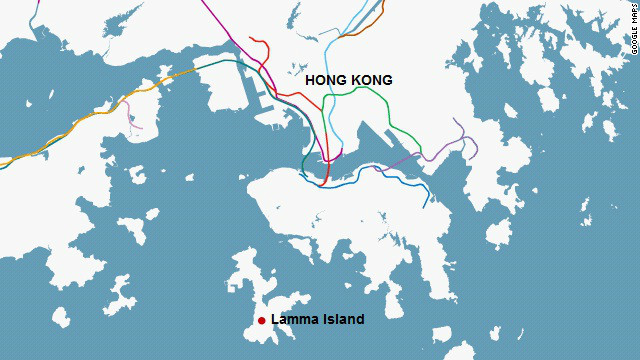
  • The island is home to about 5,000 people a half hour ferry ride from Hong Kong Island

  • The waters around Hong Kong have some of the busiest boat traffic in the world

  • Ferries carry 135,600 people each day around Hong Kong's major islands


Editor's note: Kevin Voigt is the Asia business producer for CNN.com International and a Lamma Island resident for 12 years.

Lamma Island, Hong Kong (CNN) -- When my neighbor Jane Wilbor got on a Lamma ferry Tuesday, she did something she'd never done before with her three young children: She put on life preservers.

"I wanted to show them how to get one out and put one on," said Wilbor, whose three children -- Louie, 10, James, 9, and 7-year-old Eddie -- are playmates with my son 4-year-old son, Jonah, in Pak Kok, a small village of a few dozen families on Lamma Island, one of hundreds of islands that make up Hong Kong.

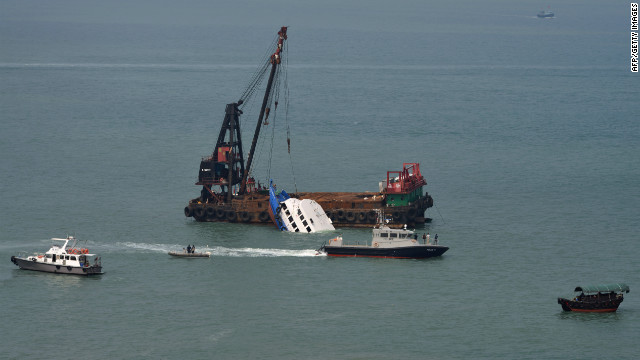
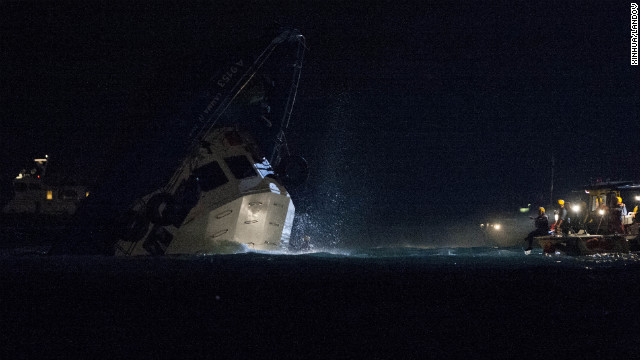
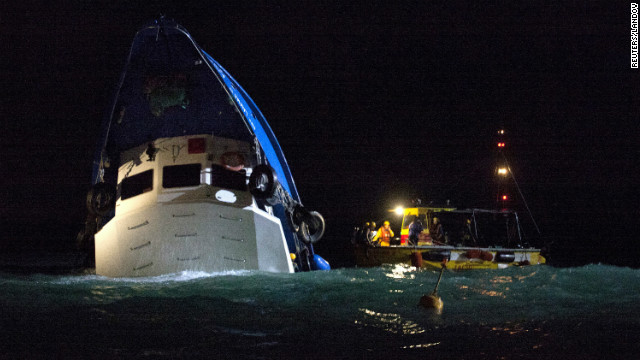
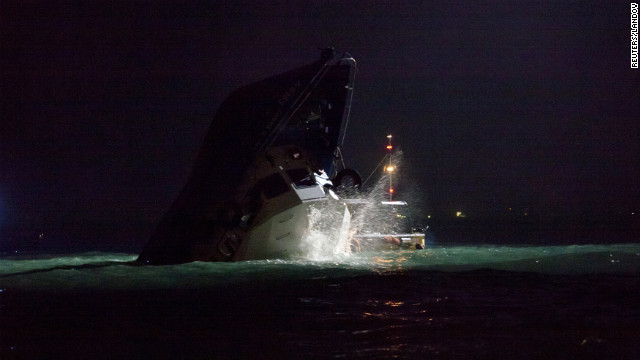
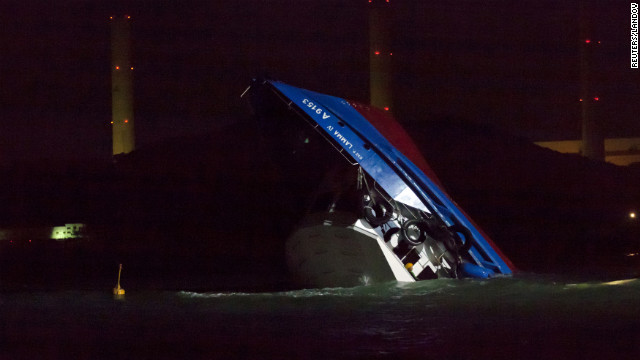
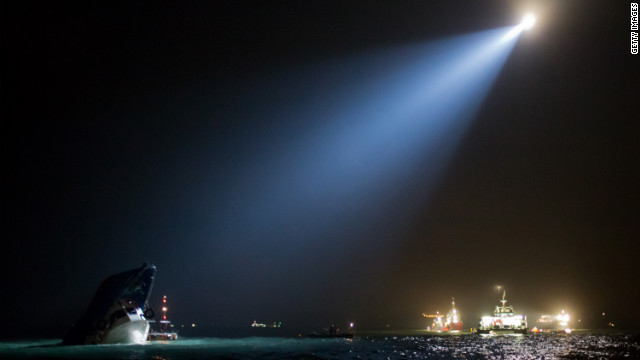
Our village was awoken by the sound of helicopters Monday night, as searchlights trained on the sea until the sunlight broke the next morning on a capsized boat just a few hundred meters offshore.

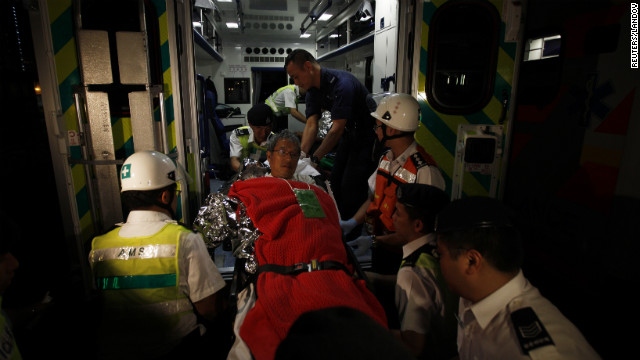
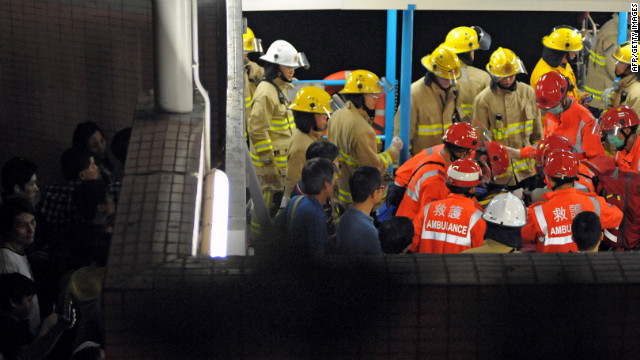
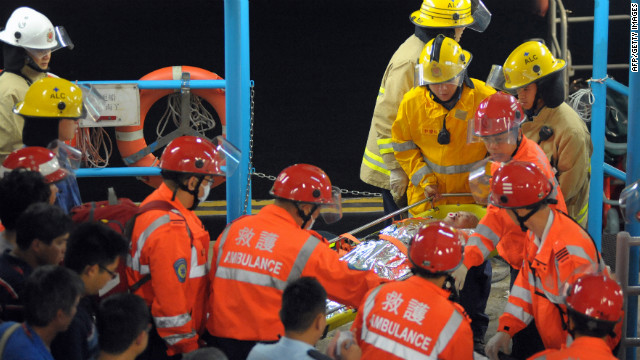
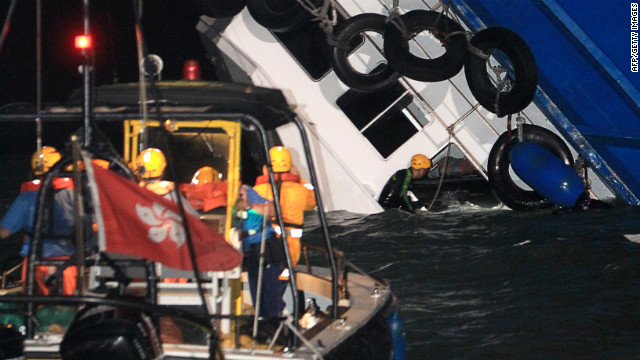
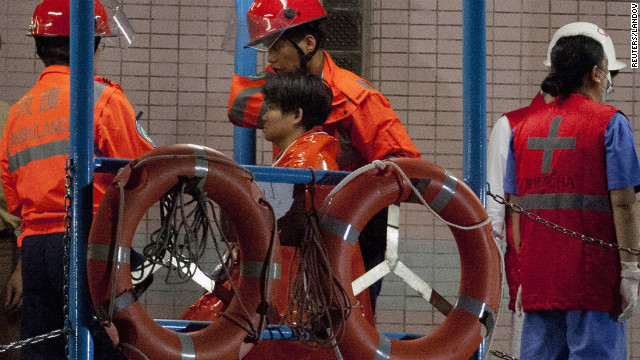
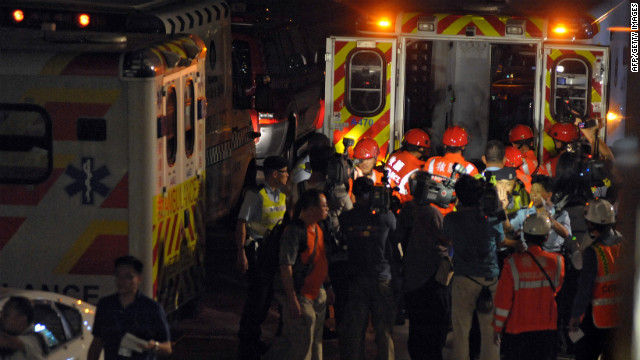
The ferry collision that left at least 38 dead -- including five children --is not an abstraction for those who live on Lamma, but a tragedy that puts the spotlight on an elemental part of our lives and the economic livelihood of Hong Kong: The busy waterways and the boats that connect the city.


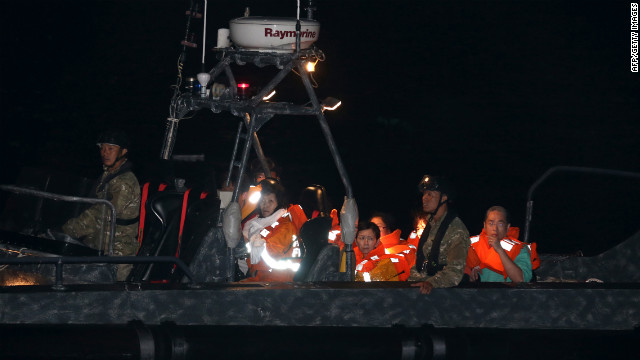
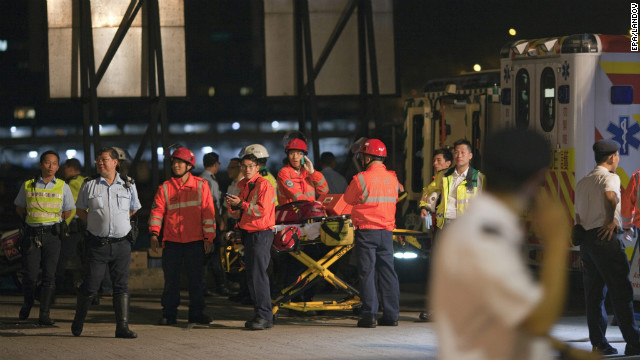
The Lamma Island ferry that collided with a Hong Kong pleasure boat was towed away by two barges on the night of October 2. It is now beached in shallow waters on Lamma Island's Dog Beach. At least 38 people died in the October 1 accident near Lamma Island. Authorities are still looking for missing passengers.


Deadly Hong Kong ferry crash


HIDE CAPTION


<<

<


1


2


3


4


5


6


7


8


9


10


11


12


13


14


15


16


>

>>


Photos: Deadly Hong Kong ferry crash


Map
 Map


Map


The fortunes of Hong Kong were built on its deep-water ports, and its seas are still among the hardest working waters in the world. The city had the third highest container ship traffic in the world in 2008, according to the American Association of Port Authorities. About 135,600 passengers take local ferry services daily across Victoria Harbor from Hong Kong Island to Kowloon and outlying islands such as Lantau, Cheung Chau, Peng Chau and Lamma, government records say.

It's common for the ferries to stop and pivot around cargo-carrying behemoths that churn through the East Lamma Channel, buffeting the ferry with big waves before we continue on our way. As a daily commuter it's now a wonder to me tragedies like Sunday's collision don't happen more often given the volume of traffic.

Hong Kong seas are like "Grand Central Terminal at rush hour ... it's an extremely complicated harbor," retired marine accident investigator Don Sheetz told CNN.

Lamma life

"The ferry from Hong Kong to Lamma must be one of the most delightful commuter runs in the world," a 2000 New York Times piece on tourist spots in Hong Kong reads. The roughly 5,000 residents of Lamma -- about one third of them expatriates, according to the government -- are drawn to the largely rural island for the peaceful counterpoint it offers working among the skyscrapers in this bustling city of 7 million.

There are no cars and no residences higher than three stories on the island. We prefer birdsong at dawn rather than jackhammers, and charting our life according to the ferry schedule is the price we pay (that, and the occasional exotic pest, such as the Chinese cobra that found its way into my home two years ago).

But life on Lamma Island is defined by the ferries. About two-thirds of the island departs each day on ferries to attend school and work, according to government statistics. The ferries create a strange familiarity, people I think of as "ferry phantoms" -- strangers whose faces you know only from sharing the Lamma ferries -- and yet when your paths cross in the city, your instinct is to wave hello. The ferries are a great equalizer: I once shared a ferry ride with Lamma Island's most famous son, Chow Yun Fat, the star of movie blockbuster "Crouching Tiger, Hidden Dragon," who grew up on the island and frequently comes back for charity events. No matter your wealth, job or status, the ferry is your only ride here.

So the degrees of separation from the tragedy are few to Lamma residents. The ships involved are known to us. There isn't a resident of Yung Shue Wan, the largest town on this island, who hasn't ridden the Sea Smooth, the catamaran vessel operated by the Hong Kong and Kowloon Ferry Holdings. The Lamma IV, the ship that sank, was a common sight among the vessels that take workers daily to the Hong Kong Electric power plant on the island.

Inside a few hours, a parent from my son's preschool had posted a second-hand account on Facebook describing "a sudden crash" and water flushing through a "big hole" in the boat. "There was panic," the message said.
My friend and bandmate Chris Head was on the Sea Smooth when it hit, throwing him to the floor. The boat listed as it took on water and when he looked out, he said the prow of the Lamma IV move up into the air "like the Titanic."

More: Survivors recount chaos, horror of ferry collision

Questions remain

The questions we have are the same as many, asking how it happened and grumblings about whether the ferry companies are doing enough to protect our safety. When my neighbor, Jane, gave her children a life jacket demonstration, she was admonished by the ferry staff, she said. The crews of both boats have since been arrested and Hong Kong Chief Executive C.Y. Leung has promised a thorough investigation.
But for the families on Lamma, the unease continues. My 4-year-old son is asking about the ferry crash, and on Tuesday implored me not to get onto the boat to go to work. This morning, as the families of Pak Kok gathered at the ferry pier at 6:50 a.m. for the commute to work and school, eyes kept moving to the spot offshore where yesterday the wreck of the Lamma IV stood dramatically out of the water.

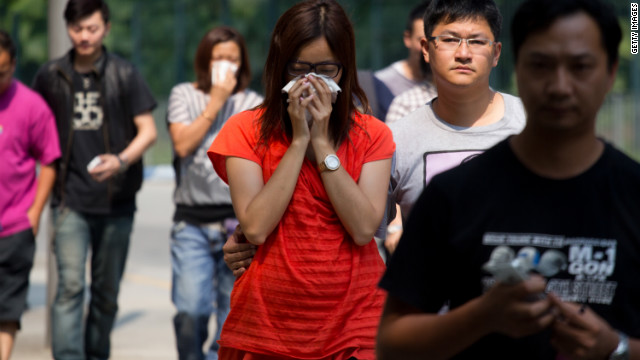
Today it's gone. But for us, the memory of the 38 souls who lost their lives will be forever etched on that patch of sea -- a reminder of the daily trust we place in the hands of those who carry us across the water, and the horrible consequences when that trust is misplaced.

Source & Image : CNN World

Monday, October 1, 2012

South African commission probing miners' deaths starts proceedings


STORY HIGHLIGHTS


  • NEW: The commission members plan to visit the settlement where the miners lived

  • The commission will look into the conduct of Lonmin, mine unions and police

  • Protests at the mine in the northwest killed 44 people, including two police officers

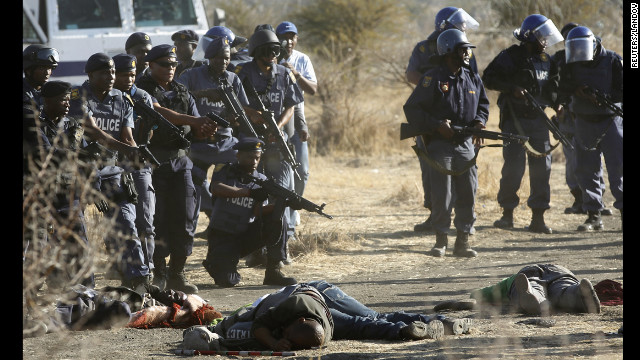
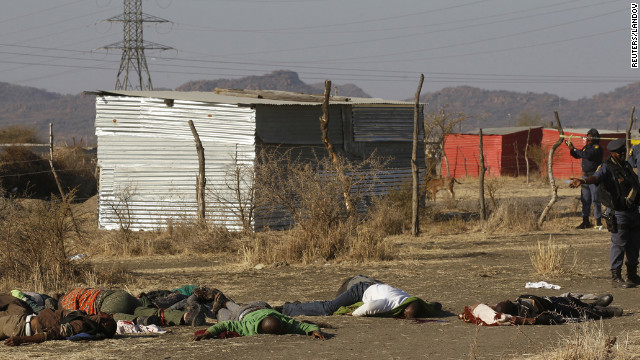
  • Of those, 34 miners were killed in a clash with police


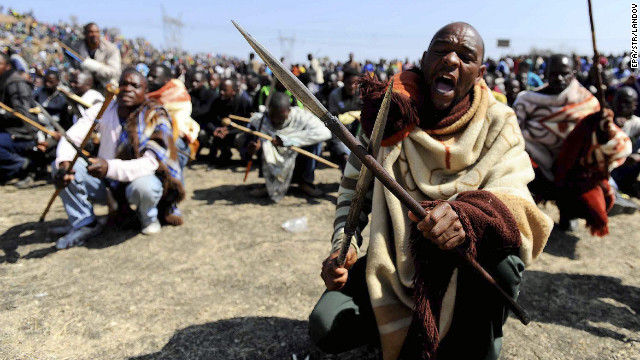
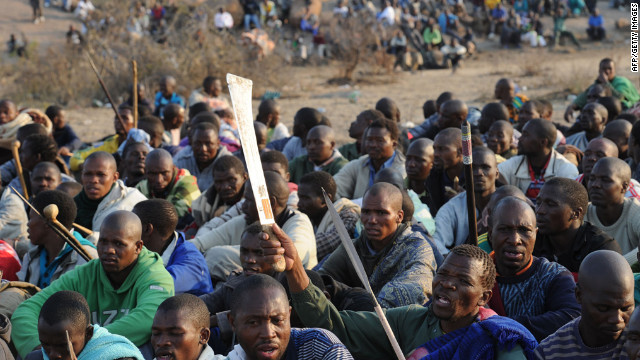
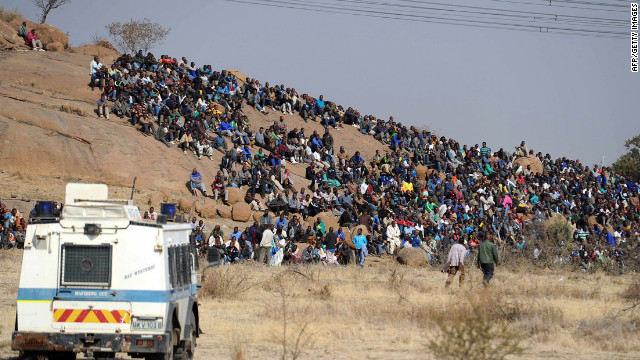
Johannesburg, South Africa (CNN) -- A South African commission tasked with investigating the killings of dozens of striking miners by police started its proceedings Monday with a moment of silence and the reading of the victims' names.
President Jacob Zuma ordered the inquiry into the killings, one of the deadliest attacks since the end of apartheid in 1994.

The proceedings are open to the public except in cases where officials believe justice will be undermined, the commission said in a statement.

For the next two days, the commission will look into how the events unfolded. Members plan to visit the settlement where the miners lived to assess conditions.

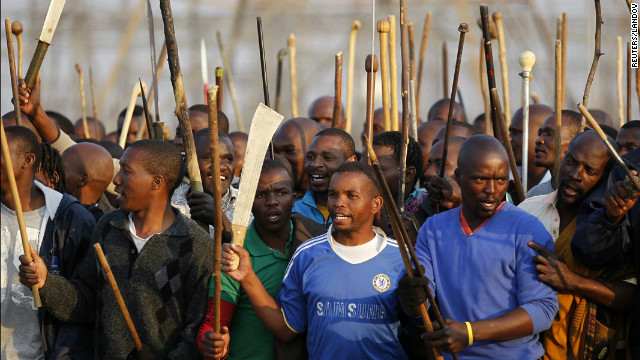
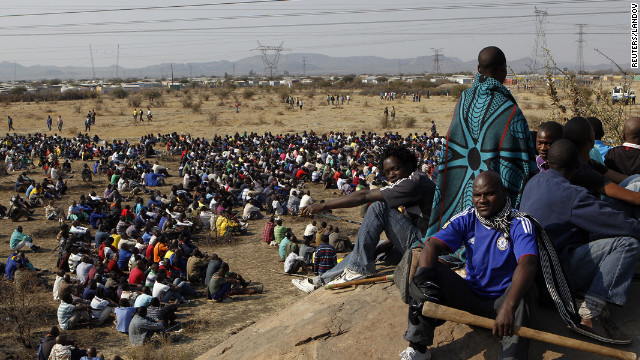
The strikes started in August at Lonmin-owned Marikana platinum mine in the nation's northwest.


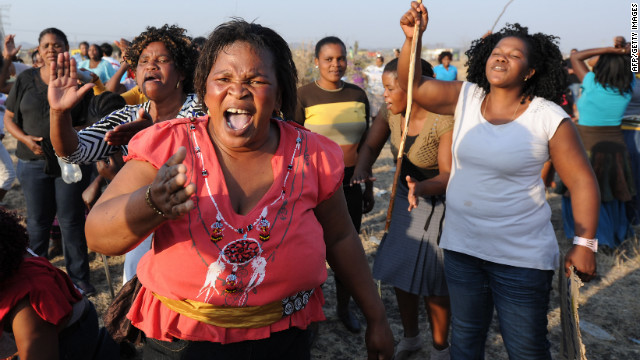
Protesters gather at the Lonmin platinum mine in Marikana, South Africa on August 17, 2012 where the day before 34 people were killed when police opened fire on striking mineworkers.


Deadly violence at platinum mine


HIDE CAPTION


<<

<


1


2


3


4


5


6


7


8


9


10


11


12


>

>>


South African miners killed during strike


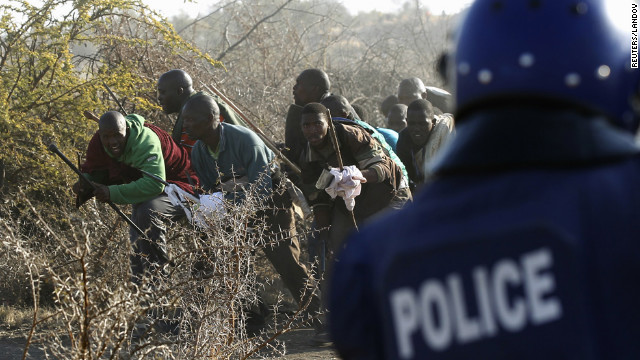
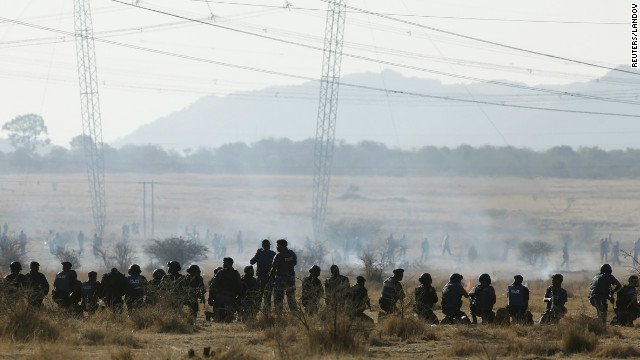
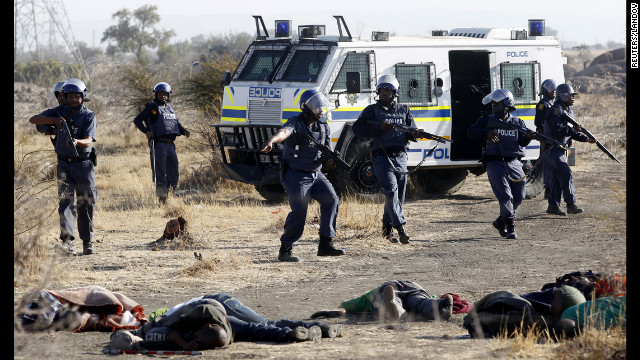
Police opened fire on demonstrators the same month, killing 34 workers. An additional 10 people died in the protests, including two police officers.

South African authorities at first charged 270 miners with murder before dropping the charges pending further investigation.

Workers at the mine ended their weekslong strike last month after accepting a pay hike of up to 22%.

Rights groups are calling for transparency and fairness in the proceedings.

"The powers and ability of the Commission of Inquiry appointed to investigate the deaths of 44 people near Lonmin's Marikana mine in August must be clarified to ensure justice and redress for all those affected," Amnesty International said in a statement last week.

Amnesty expressed concerns on the safety of witnesses and whether the commission has enough resources to support those providing evidence to the inquiry.

"Many potential witnesses may need financial support to engage with the commission, including for legal advice and transport," Amnesty said.

The commission will look into the conduct of Lonmin, the South African police and the workers' unions during the strikes.

It will have the powers to issue subpoenas and conduct searches.


Source & Image : CNN World