Showing posts with label CNN Tech. Show all posts

Friday, October 5, 2012

Netiquette: Texting or tweeting, time may not be on your side


When you send those texts, tweets or other digital messages can reflect poorly on you if you're not careful.

When you send those texts, tweets or other digital messages can reflect poorly on you if you're not careful.

STORY HIGHLIGHTS


  • When sharing texts and tweets, time might not be on your side

  • Sending an angry text to an ex at 3 p.m. is reasonable; 3 a.m. is crazy

  • Calling during work hours should be saved for important stuff

  • Pro tip: Don't tweet from the beach when you've called in sick


Editor's note: Brenna Ehrlich and Andrea Bartz have been the sarcastic brains behind the blog and book "Stuff Hipsters Hate." Got a question about etiquette in the digital world? Contact them at netiquette@cnn.com.

(CNN) -- Timestamps are all over the ever-loving place on the Web: on your tweets, Facebook posts, text messages, ill-thought-out, angry e-mails to exes, etc.

And let me tell you, true friends and trolls, those little numbers matter more than you think.

Let's consider the aforementioned ill-thought-out, angry e-mail to an ex (because who hasn't sent one of those): Send it at 3 p.m. on a Monday, and you come off as righteous and wronged. Send it at 3 a.m. on a Saturday, and you come off as dangerous and deranged.

And that's just the tip of the numerical iceberg, kids. Read on for four instances in which timing is everything.

Texting a potential date

You're a notorious night hawk, a rebel with a very good cause: monitoring the feeding habits of a very rare species of owl.

Consequently, you are mostly nocturnal. However, you still manage to meet a lovely "daylight person" (as you call people who adhere to the mainstream constraints of timekeeping) at jury duty one day.

A few nights pass, and you finally work up the urge to text her an invite to coffee, a missive you shoot off in between watching one owl rip off a mouse's head and sorting through another owl's freshly deposited pellets. Three nights later, she still has not responded, perhaps because the timestamp of your text read 3:30 a.m.

Look, we get that everyone is on a different clock and not all denizens of this thing we call Earth are 9-to-5ers, but let's just get this straight right now: If you text a romantic interest after, say, 10 p.m., they're going to think you're (a) drunk, (b) horny, (c) drunk and horny. Save your declarations of like for the daylight hours -- or else seek out a mate with similarly night owl-esque tendencies.

Sending a business e-mail

It's Saturday afternoon, and you have the bestest idea ever about how to totally and completely revolutionize the company's overall productivity -- and it includes five rubber bands, two clown masks and roughly 15,000 bobblehead dolls.

Practically sweating glee, you fire up your work inbox and shoot off an e-mail to your entire department, outlining the plan in great detail. Almost as an afterthought, you scrawl, "No need to respond to this right now. I know that it's the weekend."

You're right, o genius of productivity, it is the weekend -- which means the only people who will see your e-mail are (a) people with no lives, (b) people who are paranoid and anxious, or (c) people with no lives who are paranoid and anxious.

Must you stress said people out even more with your idle ruminations? Plus, when everyone else gets to work on Monday, faced with the grim task of sorting through all the e-mail that has accumulated over the past few days, there your message will be, buried among the rubble and, consequently, forgotten.

When struck with lazy day inspiration, we suggest dashing off your e-mail and then scheduling it to be sent out on Monday morning -- there are plenty of apps, like Boomerang, that will let you do so. That way, your idea will shine through the tempest of weekend missives like the glorious beacon that it is -- plus, everyone won't hate you.

Calling a family member

You're at the local thrift store, and you happen upon the most darling china doll with a lovely, delicate face reminiscent of your treasured only son, who now works so, so far away in the crumbling asphalt jungle that is the city.

He's a high-powered man, you know, the founder of an ingenious app that promises to revolutionize the shambles that is modern-day romance (or so he tells you; in actuality, it's a mobile tool that catalogs all the best public restrooms for hooking up with randoms).

As you gaze into the oh-so-sweet face of Francis the Goatherd -- as his tag reads -- you feel the overwhelming urge to call up your own china doll and tell him about his dolly doppelganger. You pull out your ancient cracked flip phone and dial his number ... and recoil in horror as your loving son answers on the first ring with an enraged, "What, Mom? Who died?"

Although it would be easy to blame the broken doll shards -- you dropped Francis in your frenzied distress -- on your ungrateful son, one only has to look to one of the many synchronously ticking clocks on the thrift store wall to realize that 2 p.m. on a Tuesday is not exactly the best time for a check-in call with your pride and joy. Especially if he or she has lived up to that title by securing him/herself a cherry job.

Unless Francis the Goatherd has been possessed by the devil and is currently choking you to death, save any and all ruminations about his porcelain fingers for after work hours.

Tweeting about your super rad beach day ...

... after calling in sick. Unless they're utter Luddites, your bosses know how to use Twitter, too.

Source & Image : CNN Tech

Thursday, October 4, 2012

Facebook ad celebrates 1 billion users, chairs


A 90-second video released as Facebook hit 1 billion users compares the site to other things that help people connect.

A 90-second video released as Facebook hit 1 billion users compares the site to other things that help people connect.

STORY HIGHLIGHTS


  • Facebook celebrates 1 billion users with new video

  • The 90-second ad compares the site to other things that bring people together

  • Among them: bridges, airplanes and chairs

  • CEO Mark Zuckerberg: Connecting with others is "what makes us human"


(CNN) -- Fresh off the news that it's reached a huge milestone -- 1 billion users -- Facebook on Thursday rolled out a video comparing the social network to other things that bring people together.

Like airplanes. And bridges. And chairs.

Yep ... chairs.

The video, posted by CEO Mark Zuckerberg and other Facebook brass on their pages, came as the site announced it had reached 1 billion accounts that are active at least once a month. It took the social media juggernaut six years to hit 500 million and only another two to double that.

Zuckerberg said the video, titled "The Things That Connect Us," is the first time Facebook has ever created a "brand video" and that it is designed "to express what our place is on this Earth."

"We believe that the need to open up and connect is what makes us human," he wrote. "It's what brings us together. It's what brings meaning to our lives."

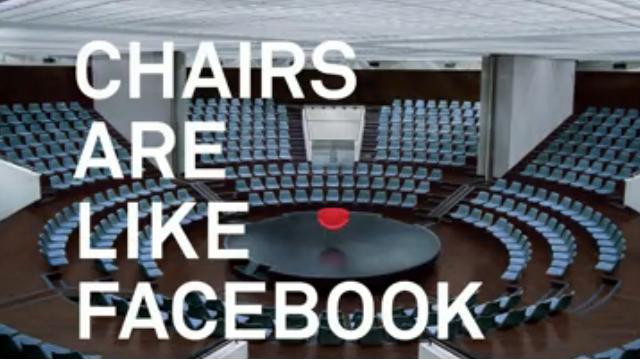
The 90-second video takes the unlikely tack of comparing the site, famously birthed in Zuckerberg's Harvard dorm room, to everyday items. It begins with the image of a red chair levitating in a forest, but quickly moves on to show other chairs being used as children play and adults rest, dance and chat.

"Chairs are made so that people can sit down and take a break," the narrator says over a stirring musical arrangement. "Anyone can sit on a chair. And if the chair's large enough, they can sit down together and tell jokes, or make up stories or just listen."

Doorbells, airplanes and bridges "are things people use to get together so they can open up and connect about ideas and music and other things people share," the narrator continues.

In a universe that can make us feel alone, "maybe the reason we make all these things is to remind ourselves that we are not," the video concludes.

Marketing analysis site Ad Age reported that Facebook doesn't plan to air the ad on television, instead using it on its own advertising platforms and a website that anyone can visit.

While it's a celebration of the milestone, Facebook also clearly hopes the ad will help attract its next billion users. Facebook plans to advertise in 13 markets -- the U.S., UK, France, Germany, Italy, Spain, Mexico, Brazil, India, Philippines, Indonesia, Japan and Russia.

"We're creating this for our users, but we think it's a message that will be interesting and relevant to non-users as well," Rebecca Van Dyck, Facebook's head of consumer marketing, told the site. "We feel like we need to be respectful and introduce ourselves and to say 'This is what we believe in' and 'Come on board.' "


Source & Image : CNN Tech

How Apple has changed under Tim Cook


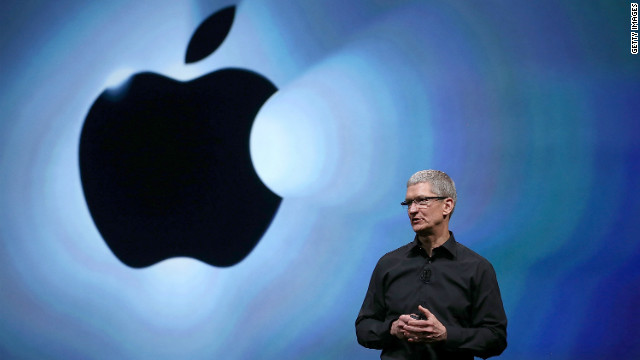
Apple CEO Tim Cook speaks during last month's launch of the iPhone 5 in San Francisco.

Apple CEO Tim Cook speaks during last month's launch of the iPhone 5 in San Francisco.

STORY HIGHLIGHTS


  • In the year since Steve Jobs' death, Tim Cook has subtly altered Apple's image

  • Concerted efforts have been made to reach out to investors and Washington

  • Tim Cook's quieter, more approachable style is setting a new tone at the company


(CNN) -- In the year since Steve Jobs' death, Apple has undergone a gradual and subtle brand makeover, shaking off some of the more unpleasant characteristics associated with Jobs and taking on bits of the personality of its new leader, Tim Cook.

For all his brilliance at product design, Jobs showed little interest in glad-handing with Apple partners or investors. By contrast, Apple from the outside has appeared more open under Cook, thanks to a number of orchestrated meetings and trips meant to appeal to the various factions -- consumers, investors and politicians -- interested in the world's leading tech company.

In May, Cook went to Washington to meet with congressional leaders to open lines of communication that were mostly blocked in previous years. Apple was no stranger to lobbying (although it spends far less than some other Silicon Valley companies, like Google), but sending Cook was a way of letting politicians know Apple was ready to grow its relationship with Capitol Hill and that the company might take a stronger interest in policy issues in the future.

Apple also has worked harder to woo Wall Street. There was a bus tour of investors that stopped at Apple headquarters in Cupertino, California, where they were treated to cookies and a presentation by Apple's chief financial officer. A more sizable act of goodwill was the cash dividend Apple paid out to investors -- the first in 17 years. On a call with investors in February, Cook answered questions, cracked jokes and was generally open and friendly.

After an outcry over working conditions at the factories of Apple's manufacturing partners, most notably Foxconn, Cook took swift action. He took a trip to China and toured a Foxconn plant in person. Apple also allowed the Fair Labor Association to do a thorough audit of conditions at the China factories, and Apple vowed to improve pay and hours.

The most recent display of the company's shift in tone was its reaction to the bungled iOS 6 Maps app. The new Maps app crafted in-house by Apple to replace Google Maps on iPhones and iPads was riddled with flaws, from missing features to misplaced businesses, landmarks and even towns.

A week after the phone hit stores, Cook apologized for the map publicly and, with surprising humility, even pointed customers to competing products. Some pundits compared his swift and contrite reaction to a terse and rare public apology from Jobs more than a month after complaints over the iPhone 4's antenna erupted in 2010.

Who is the next Steve Jobs (and is there one)?

Cook's mea culpa is just the latest demonstration of how he, and by extension Apple, is different from Jobs and the Jobs era at the company. Cook comes off as having a far more relaxed and approachable personality, and he is less inclined to be the center of attention. His product announcements are not one-man shows, but presentations shared with other Apple executives. He is still discovering his own style -- a tricky undertaking given the abnormal amounts of scrutiny that follow Apple's every move.

A recent article by Bloomberg Businessweek, citing interviews with current and former Apple executives, employees and partners, states "the company is happier and even somewhat more transparent than it was during Jobs' tenure ... There are fewer frantic calls at midnight, and there's less implicit pressure on engineers to cut short or cancel vacations in the heat of product development cycles."

Cook recently announced that most Apple employees at company headquarters will get the week of Thanksgiving off with pay, according to reports.

Unfortunately for Apple's soft-spoken chief executive, he has been incessantly compared to his predecessor after every presentation, successes and failures.

"To simply put Steve Jobs on some sort of pedestal and say Apple could do no wrong under Steve's leadership is wrong," said Gartner analyst Michael Gartenberg. Remember Ping, Apple's failed attempt at a social network centered around music?

Cook has not launched any bold new products in the past 12 months. So far, the company has only released minor updates of popular products, like speedier laptops, the new Mac operating system, the refreshed iPod line and the new, taller iPhone 5. They've all been met with solid reviews (Maps app aside) and sold well.

Apple has gone on to become the most valuable company in history. A year ago on October 4, Apple stock closed at $381.80 a share. On Wednesday, it closed at $671.45.

But by staying the course, Cook has raised some concerns that he may lack the imagination and the bold ability to conjure up mind-blowing new products, which was Jobs' hallmark. Cook's last major responsibility was decidedly left-brained: streamlining Apple's supply chain.

Some question how much credit for Apple's recent financial success should go Cook and how much is residual carryover from Jobs' regime. He prepared the company and its executives to carry on his vision and spent years grooming staff and setting up Apple to continue on seamlessly without him. Is it any surprise that it's continued to do so well?

Gartenberg says that while Jobs gave the appearance of being entirely in control, he did not in fact design each new device single-handedly. Apple has about 12,000 employees in the United States, not counting retail and support staff. It is a large, well-oiled machine that knows how to design and sell beautiful products that consumers want.

"The company is on cruise control," said Tero Kuittinen, an analyst at Alekstra. Kuittinen thinks the recent Maps kerfuffle could have a material impact on Apple and iPhone sales down the line, but we won't know until 2013. Early stats -- like moving 5 million iPhones 5s in the first weekend of sales -- can't foretell what's going to happen at the end of a model's life cycle.

"Apple has a huge amount of good will among consumers. They've started eating away at that," said Kuittinen, referring to the Map app problems.

Kuittinen believes the big decisions that will define Cook are still yet to come. Some are decisions Jobs never made, such as whether to drop the price of the iPhone to be competitive in emerging markets. Cook has already proven that he is aggressive about international sales. The iPhone 5 will be in 100 countries at the end of this year -- a far speedier and more expansive roll out than previous Apple devices.

It's still too early for anyone to predict Cook's long-term success or failure, observers say. And the true impact of Jobs' absence won't be known for two years or more.

"The biggest challenge Apple has is not product," Gartenberg said. "They are going to have to manage this legend of Steve Jobs."


Source & Image : CNN Tech

Wednesday, October 3, 2012

Zuckerberg: I wear the same thing every day


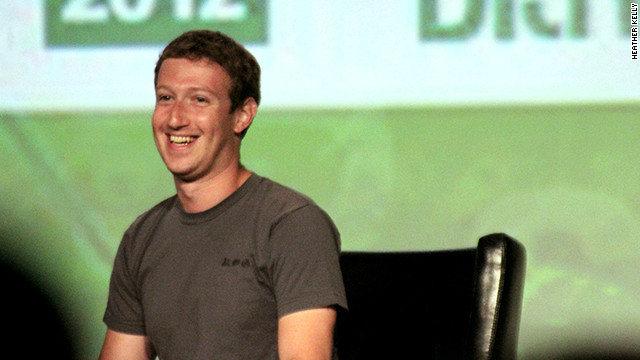
Facebook CEO Mark Zuckerberg at the 2012 TechCrunch Disrupt conference, wearing ... yes, a gray T-shirt.

Facebook CEO Mark Zuckerberg at the 2012 TechCrunch Disrupt conference, wearing ... yes, a gray T-shirt.

STORY HIGHLIGHTS


  • Zuckerberg: I own about 20 identical gray t-shirts

  • Facebook CEO calls Apple "great platform," says more users are on Android

  • Interview with Matt Lauer is scheduled to air Thursday morning


(CNN) -- Facebook CEO Mark Zuckerberg said in an interview on "NBC's Today" set to air Thursday that he lives a "simple" life and proudly wears the same thing every day.

Zuckerberg — who has appeared on GQ and Esquire's worst-dressed list in 2011 — confessed in an interview taped last week with "Today" host Matt Lauer that he owns "maybe about 20″ identical gray t-shirts.

"I mean, I wear the same thing every day, right? I mean, it's literally, if you could see my closet at home..." Zuckerberg said. "My wife has a bunch of stuff. Although she has her drawer — primarily scrubs for the hospital — I get one drawer. And my drawer is about 20 of these gray t-shirts."

He said he has one drawer, "like men everywhere."

Do you have a personal uniform?

Other notables known to wear the same thing every day? Steve Jobs and Albert Einstein.

Mashable: Zuckerberg's No Longer a Top 10 Tech Billionaire

Although Zuckerberg gave his first post-IPO interview at a tech conference this month, this will be his first interview with the mainstream press since Facebook went public in May. According to NBC, the interview also includes Zuckerberg opening up about plans for the social network, employee morale and his recent wedding.

He says he feels "a lot of responsibility" for his employees, who feel comfortable calling him by his first name: "No one calls me 'Mr. Zuckerberg.' I mean, it's — we do a lot to create this open culture."

Although Apple CEO Tim Cook sent Zuckerberg a free iPhone 5 after the launch, the Facebook executive said he uses many different devices.

"iPhone is a great platform," he told Lauer. "There are more people who use Facebook on Android because Android is just ... More people use it, at this point. So it's actually a pretty diverse ecosystem. And we spend our time building for all these different things."

Highlight your Facebook posts -- for a price


Source & Image : CNN Tech

Highlight your Facebook posts -- for a price


A sign displays the Facebook

A sign displays the Facebook "like" symbol at the site's headquarters in Menlo Park, California.

STORY HIGHLIGHTS


  • Facebook users can pay to have their posts highlighted in friends' feeds

  • Promoting a post costs $7, according to The Verge

  • Businesses have already been able to promote posts for a fee


(CNN) -- Want to highlight your wedding pictures or the first snapshots of your newborn on Facebook to make sure friends don't miss the big news?

The social network announced on Wednesday that users in the U.S. will be able to promote their personal posts to friends for a fee, starting today.

Although testing first started in New Zealand in May and has since rolled out to more than 20 countries, the feature is now available in the U.S. for the first time. The price to promote your news and updates? About $7, according to The Verge.

Businesses are already able to promote their posts and get updates in front of more eyes for a fee, but personal updates still reach only a limited amount of friends on the site. Investing in a promoted post will increase the chance of someone seeing your post at the top of their news feed, the company said.

SEE ALSO: Facebook: Here's How You Pay to Promote Posts

"Sometimes a particular friend might not notice your post, especially if a lot of their friends have been posting recently and your story isn't near the top of their feed," Facebook said in a blog post. "When you promote a post -- whether it's wedding photos, a garage sale, or big news -- you bump it higher in news feed so your friends and subscribers are more likely to notice it."

The option may also be of use to people looking to promote bands, parties and other events.

What is your impression of personal promoted posts? Let us know your thoughts in the comments.


Source & Image : CNN Tech

Tuesday, October 2, 2012

Who is the next Steve Jobs (and is there one)?


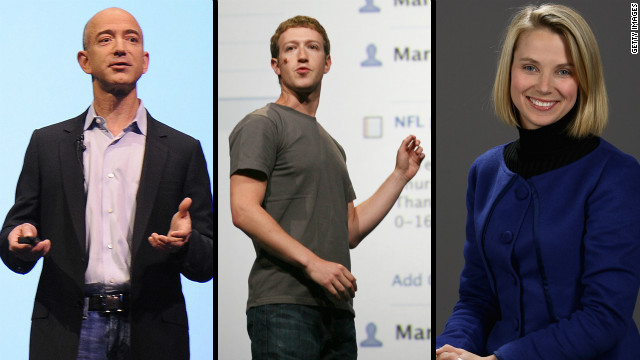
Jeff Bezos (from left), Mark Zuckerberg and Marissa Mayer. Do they have what it takes to be the next Steve Jobs?

Jeff Bezos (from left), Mark Zuckerberg and Marissa Mayer. Do they have what it takes to be the next Steve Jobs?

STORY HIGHLIGHTS


  • Since the death of Steve Jobs, the tech world has looked for its next visionary

  • Mark Zuckerberg, Amazon's Jeff Bezos, Yahoo's Marissa Mayer are names that come up

  • At Apple, CEO Tim Cook and vice president Jonathan Ive have big shoes to fill

  • Most agree there will never truly be "the next Steve Jobs"


(CNN) -- It's a loaded question, one with no clear answer. But in the year since Apple's co-founder and visionary CEO died, it's been asked in tech circles over and over:

Who is the next Steve Jobs?

There's one easy response. It's safe to say that no figure in the tech industry will perfectly duplicate the unique blend of vision, salesmanship, mystique and eye for detail possessed by Jobs, who died one year ago Friday.

And it's complicated further, some say, by the fact that for much of his own life, many wouldn't have predicted Jobs himself would earn tech-icon status.

"Steve Jobs had a strange career. He really wasn't celebrated as a genius until really late," said Leander Kahney, editor of the Cult of Mac blog and author of books on Apple, including "Inside Steve's Brain."

Not until Jobs returned to Apple and introduced the iPod and iPhone did people begin to praise him as a modern-day Thomas Edison, Kahney said. "He was dismissed before then as a marketing guy, a fast talker who didn't know much about technology. He only really was lionized in the last four or five years."

But industry observers abhor a vacuum. Futile though it might be, it's perhaps human nature to speculate about who could emerge to fill the void left by the passing of tech's biggest personality and most recognizable face.

One can make cases for or against a handful of nominees. And no list is long enough to include an as-yet unknown creator who may be birthing the industry's next game-changer in a garage or dorm room somewhere.

But here are some names worth considering, with thoughts both for and against their candidacies:

Jeff Bezos, CEO, Amazon

Pros: Bezos actually has a host of traits that mirror Jobs. Like Jobs was with Apple, he's the founder of Amazon as well as its CEO. Being a part of a company's life story helps. As much as anyone, Bezos also captures a bit of Jobs' panache at live events. At last year's rollout of the Kindle Fire, he got high marks for introducing a game-changing product in a stylized fashion, then getting off the stage. (Tech giants Google and Microsoft have been accused of being rambling and unfocused at similar unveilings.) Reports say Bezos shares Jobs' penchant for attention to detail (some would say micromanaging) and, like Jobs, he's been willing to take the company into new and unexpected directions.

"I've met Bezos personally, and he is mesmeric. Brilliant smile, quick mind, very engaging and decisive," Kahney told CNN. "He has the same obsession with the ordinary consumer; to make and sell things from the consumer's point of view. ... Bezos has Jobs' focus and drive. He's a little bit maniacal in his drive and ambition."

Cons: Despite the Kindle line, Amazon is, at its core, a content company. The mobile devices are a means of delivering books, music, movies and other data to customers as directly as possible. Will the public ever be as excited about the CEO of the company that peddles e-books and data-storage space as it was about the one that sold it its personal computers, laptops, phones and music players?

Mark Zuckerberg, CEO, Facebook

Pros: The Steves -- Jobs and Wozniak -- had their garage. Zuckerberg had his Harvard dorm room. And in those two rooms, perhaps the two best-known origin stories in tech were born. As head of the social network that has changed the way people use the Internet, Zuckerberg is maybe the only tech boss who, like Jobs, has become a household name. ("The Social Network" didn't hurt.) He created a product that millions of people now use. And he's even cultivated his own trademark, casual-wear style, as the Zuckerberg hoodie is now almost as iconic as Jobs' mock turtleneck.

"Zuckerberg has some of the characteristics (of Jobs), and perhaps the most important one -- the pursuit of a vision," Kahney said. "That sets him apart."

Cons: He's gotten better at speaking in public. But as a pitchman, Zuckerberg still falls miles short of the charismatic Jobs. It's seems Zuck would rather be the idea man behind the scenes than front-and-center when it comes time to sell the final product. Also, the fact that Facebook's stock price is not already racing toward Google/Apple heights doesn't help.

Tim Cook, CEO, Apple

Pros: Well, there's the obvious one. Job's was Apple's CEO. Now Cook is. At the helm of the company, Cook gets to be the face of every new innovation rolled out by Apple. He's got the biggest stage and brightest spotlight in which to put himself forward.

Cons: Cook comes from more of a business background than one of innovation and design. He may masterfully steer Apple's course for years to come, but, rightly or not, few observers at this juncture are inclined to give him credit for vision, or influence over products' design, the way they did Jobs. Plus, being Apple CEO after Jobs is like being the football coach who follows a retiring Bear Bryant or Vince Lombardi. What were those guys' names? Exactly.

Jonathan Ive, senior vice president, Apple

Pros: When Jobs stepped down, there were many who expected Ive, not Cook, to step up. Ive is senior vice president of industrial design and is believed to be the creative mind behind products from the Macbook Pro to the iPod to the iPad. The London native already has a knighthood, as well as a healthy dose of Jobs' true-believer passion for the product.

Cons: Well, he's not the CEO. (Nor is marketing mastermind Phil Schiller, another name bandied about to replace Jobs). To truly ascend to Jobsian levels, Ive would need to set out on his own -- which, at 45, is doable. It's hard to envision Ive bolting from Apple, where he's worked since 1992. But, boy, it would be fun to watch.

Marissa Mayer, CEO, Yahoo

Pros: If you need proof of how well Google alum Mayer is liked in Silicon Valley, just look at the number of folks she's been able to lure to join her at a Yahoo that was floundering when she took the reins in July. At Google, where the former engineer was the 20th employee, she's credited with everything from the clean design of the search page to becoming one of the leading public faces of the tech giant.

Cons: It looks like a turnaround has begun at Yahoo. But the job's still a long way from done. If Mayer becomes the face of a dramatic rebirth, she will have accomplished something few predicted. If she doesn't (the four CEOs before her all fell short), it likely won't hurt her reputation all that much -- but neither will it bump her up to the next level.

Elon Musk, serial entrepreneur

Pros: How's this for an origin story? Musk grew up in South Africa before leaving home at 17, without his parents' consent, rather than serve a compulsory stint in an army which, at the time, was enforcing the race-based apartheid system. He'd end up in the United States four years later -- although he'd already sold his first software, a video game called Blastar, when he was 12. Since then, all he's done is create publishing software Zip2 (sold to AltaVista for $300 million), co-found PayPal (he owned 11% of its stock when eBay bought it for $1.5 billion) and help create Tesla Motors, makers of the first commercial electric car. Oh, wait ... he also runs SpaceX, a company working on space exploration. Director Jon Favreau says Musk was his inspiration for Robert Downey Jr.'s Tony Stark character in the "Iron Man" movies.

"His ambitions are so huge," Kahney said. "He's definitely a ballsy character. And he's a good leader, like Jobs. He's surrounded himself with good people."

Cons: With the exception of Tesla, none of Musk's projects, so far, have directly involved consumer products. Tens of millions of people had something Jobs made in their pockets, on their desks or piping music into their ears. Among the public, Musk may be less well-known than all of the names above -- at least for now. But, at 41, he's got time to change that and it would be foolish to bet against him.

Seth Priebatsch, CEO, SCVNGR, LevelUp

Pros: Who? Priebatsch is the wild card on this list. But consider him the representative of a new generation of young, creative tech "makers" who could ascend to loftier heights in the years, or decades, to come. At 22, Priebatsch's SCVNGR raised more than $20 million in funding. He founded his first Web company at 12 and has moved on to start LevelUp, a mobile-payments system that's also raked in millions from investors. He got rock-star treatment for a speech he gave last year at South by Southwest Interactive. Plus, he's already cultivated a Jobs-like signature fashion statement -- his trademark orange sunglasses and shirts.

Cons: In the startup world, for every success story, there are countless washouts. Not every young turk even wants to be another Jobs, and not every killer app has the potential to make millions, or billions, of dollars -- even when they're well-liked and widely used.


Source & Image : CNN Tech

Friday, September 28, 2012

Move over iPhone: In China, it's cool to call on 'Xiaomi'


STORY HIGHLIGHTS


  • Analyst: China is set to surpass the U.S. this year as the top smartphone market

  • Three of the top five selling smartphone brands are local Chinese makers

  • Lenovo, Coolpad and Huawei smartphones all outsell Apple's iPhone in China

  • Xiaomi brand smartphone has become a cult favorite among Chinese tech geeks


Editor's note: A self-described media junkie, China nerd and geek mom -- Kristie Lu Stout is also an anchor/correspondent for CNN International. Join her on News Stream, each weekday at 8pm Hong Kong time, 1pm London, 8am New York.

Hong Kong (CNN) -- He's the 20-something blogger who created the iconic Steve Jobs action figure.

He's also the Hong Kong-based gadget fan who worked his supplier contacts in China to leak authentic components of the latest iPad before the official launch.

And yet, despite his devotion to all things Apple, MIC Gadget's Chris Chang says if it came down to just one device -- he would choose a Chinese-branded smartphone over the iPhone.

"I like spending less money to get a similar performance from the iPhone 5 or Samsung Galaxy series," says Chang. "The China-branded smartphone is my choice."

Chang shows me his preferred smartphone -- the roughly $400 OPPO Finder. The Android-powered phone is just 6.65 millimeters thin -- thinner than the iPhone 5. That said, it's not a 4G handset.

But it's enough for Chang and a growing number of discerning Chinese smartphone users.

China is forecast to overtake the U.S. in smartphone shipments and become the world's leading smartphone market this year, according to http://edition.cnn.comhttp://edition.cnn.comrhttp://edition.cnn.comehttp://edition.cnn.comshttp://edition.cnn.comehttp://edition.cnn.comahttp://edition.cnn.comrhttp://edition.cnn.comchttp://edition.cnn.comhhttp://edition.cnn.com http://edition.cnn.comghttp://edition.cnn.comrhttp://edition.cnn.comohttp://edition.cnn.comuhttp://edition.cnn.comphttp://edition.cnn.com http://edition.cnn.comIhttp://edition.cnn.comDhttp://edition.cnn.comChttp://edition.cnn.comhttp://edition.cnn.com.

Break it down by marketshare and, according to IHS iSuppli Research, in the first half of 2012, three of the top five smartphones sold in China are local Chinese brands: Lenovo, Coolpad and Huawei. All three individually outsell Apple's iPhone in China.

The mainland China smartphone market has been partly fueled by the demand for lower-cost handsets. In China, a 16GB iPhone 4S sells for RMB4,488 ($712). Traditionally, Huawei and Coolpad have been selling to the lower-end of the market, below RMB1000 ($160).

But China's Meizu, Xiaomi and OPPO are climbing up the value chain -- not so high as to angle for the top tier of the market with Apple and Samsung, but right in the middle.

"Meizu, OPPO and Xiaomi are poised to differentiate themselves as strong mid-range smartphones, like a sedan," says Josh Ong, China Editor of The Next Web. "At RMB 1,999 ($317), the (Xiaomi) Mi-Two will be 'good enough' for millions of consumers who aren't willing to spring for the more expensive devices."

Meizu was formerly the coveted smartphone brand in China, but that mantle has passed on to Xiaomi which -- like Apple -- masterfully markets its technology like a lifestyle.

Xiaomi is the smartphone cult hero in China with its intensely http://edition.cnn.comhttp://edition.cnn.comlhttp://edition.cnn.comohttp://edition.cnn.comyhttp://edition.cnn.comahttp://edition.cnn.comlhttp://edition.cnn.com http://edition.cnn.comfhttp://edition.cnn.comahttp://edition.cnn.comnhttp://edition.cnn.comshttp://edition.cnn.comhttp://edition.cnn.com who adore the company's charismatic founder, Lei Jun, and the brand's distinctive style.

Bottom line -- in China today, it's cool to have a Xiaomi phone.

"Watching a thousand Xiaomi fans give Lei and the new phone a standing ovation last month really drove home the company's success at connecting with its customers," says Ong.

So how can the rest of the world get their hands on a cult Chinese smartphone?

Well, you can't. They're only available in China. Xiaomi may have an English language Twitter feed, but it didn't want to lend its Mi-Two phone for review to international audiences on CNN's News Stream. (We had to borrow the phone from Chris Chang.)

Meizu has an English language Website, but there's no option provided to buy the phone. There is, however, a retail store outside the mainland... in the Chinese territory of Hong Kong.

The fan base for China's sleekest smartphones will remain in China for now.


Source & Image : CNN Tech

Thursday, September 27, 2012

Facebook cracking down on fake 'Likes'


Facebook has begun a purge of fake accounts and

Facebook has begun a purge of fake accounts and "Likes" as part of a set of site improvements announced last month.

STORY HIGHLIGHTS


  • Facebook pages losing "Likes" as site cracks down on fakes

  • Last month, Facebook announced "site integrity" upgrades

  • Fake Likes can come from malware or user deception

  • Zynga poker, Lady Gaga, "Simpsons" are among pages losing numbers


(CNN) -- If it looks like lots of Facebook pages are shedding fans, it's because they are.

But, then again, they aren't.

Facebook has begun a purge of fake accounts and "Likes" as part of a set of site improvements announced last month. The result has been lower numbers on fan pages, including some of the site's most popular ones, but no actual loss of real followers.

On August 31, Facebook announced plans for improvements to its "site integrity systems." That, according to a blog post, included increased automated efforts to sniff out and delete fake accounts or Likes that had been illicitly sold or gained by otherwise shady means.

"A Like that doesn't come from someone truly interested in connecting with a Page benefits no one ...," the post read. "When a Page and fan connect on Facebook, we want to ensure that connection involves a real person interested in hearing from a specific Page and engaging with that brand's content."

On Thursday morning, Zynga's Texas HoldEm Poker page had lost almost 200,000 Likes since Tuesday, according to Facebook analytics site PageData. Pop star Lady Gaga lost about 66,000 during that same two-day span, and "The Simpsons" dropped about 21,000.

Facebook confirmed to CNN that the slipping Likes numbers are part of the site upgrade.

The company said pages that have been abiding by its rules should expect no more than a 1% dip in Likes. Even Zynga's big drop represented only roughly .3% of the more than 65 million people who like that poker page.

Facebook's purge targets inauthentic Likes created a number of ways. Some are caused by malware. Others happen when a user is deceived into "liking" something they may have not intended to like.

In its post, Facebook said it has never allowed Likes to be sold, but that it has caught third-party vendors trying to use malware and other forms of deception to do just that. Similar problems have plagued Twitter, where automated systems have tried to inflate users' follower counts.

"While we have always had dedicated protections against each of these threats on Facebook, these improved systems have been specifically configured to identify and take action against suspicious Likes," Facebook said.


Source & Image : CNN Tech

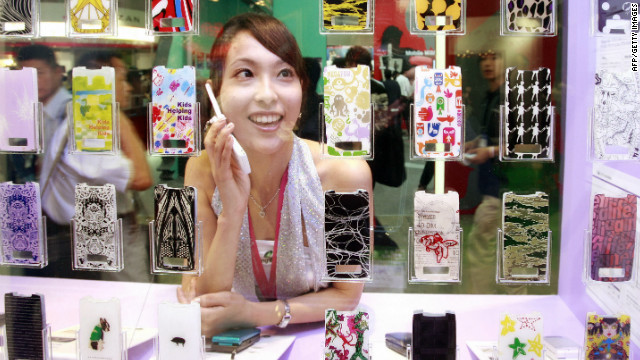
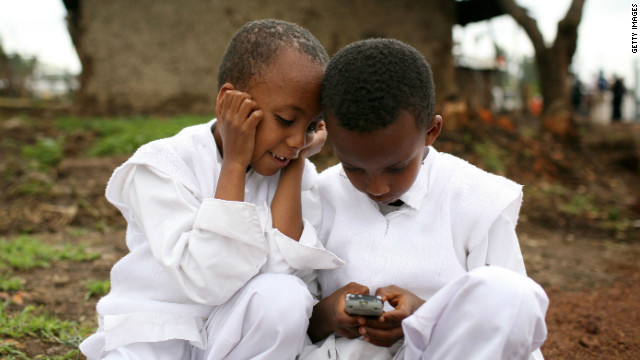
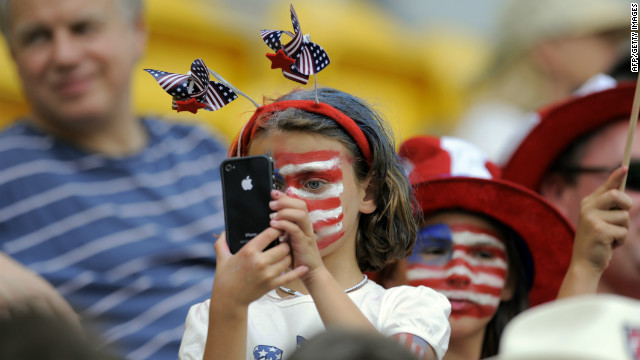
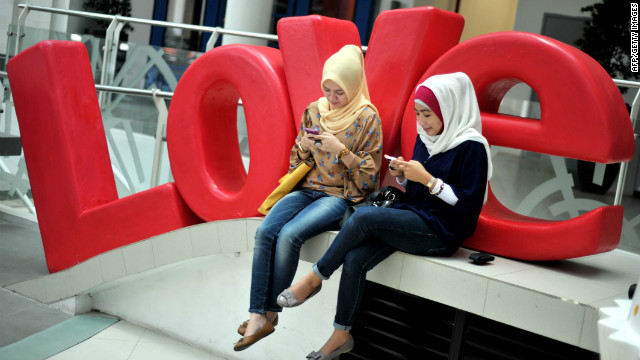
Cell phone culture: How cultural differences affect mobile use


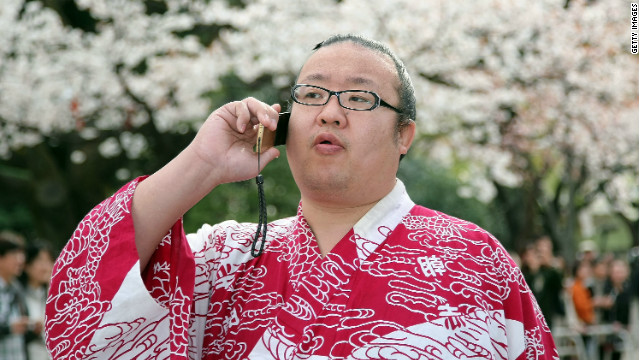
During the 2008 Beijing Olympic Games a group of residents in one of the capital's old neighborhood gathered to watch the opening ceremony on a single shou-ji (hand machine).


HIDE CAPTION


Sharing is caring

Mobile manners

No talking please

Chatting is not a sin

Caught on camera

Beeping in Africa

Young and mobile

Chatting away

Social media lovers

Snap happy

Mobile photography

Iranian revolution

Mobile campaigning


<<

<


1


2


3


4


5


6


7


8


9


10


11


12


13


>

>>


STORY HIGHLIGHTS


  • Cultural differences dictate ways in which mobile phones are used around the world

  • Words to describe it and etiquette of how to use it differ starkly across cultures

  • The Spanish, like the Italians, happily answer calls in restaurants, during business meetings

  • While in Japan it is frowned upon to answer your phone in public places


Editor's note: Mobile phones have become an essential part of our everyday life. Through a special month-long series, "Our Mobile Society," we examine how phones and tablets are changing the way we live.

London, England (CNN) -- It is a device that three quarters of the world's inhabitants have access to, according to the World Bank, but the words to describe it and etiquette of how to use it differ starkly across cultures.

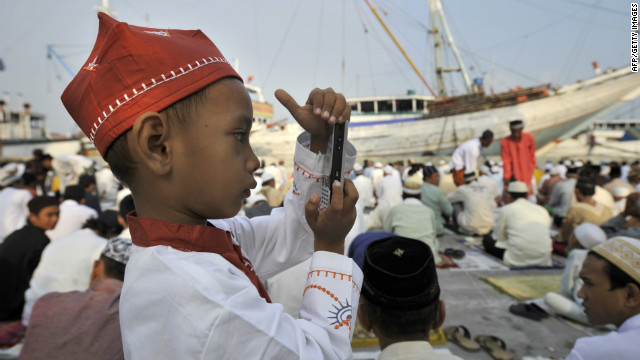
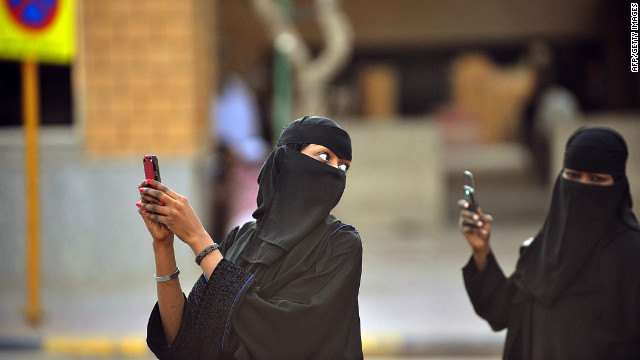
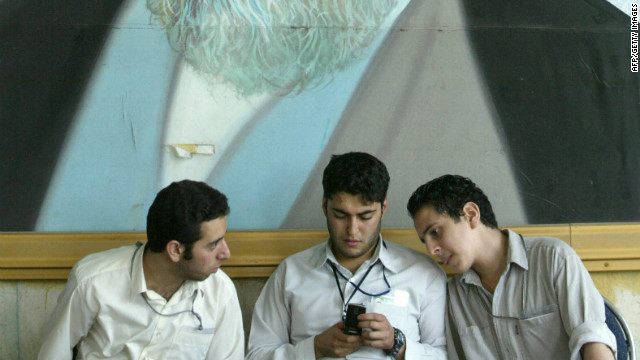
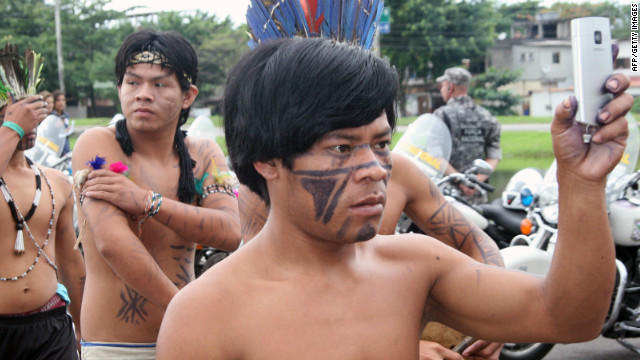
In the UK, it is called a mobile, in the U.S. cell phone, in Latin America celular, in Japan keitai (portable), in China shou-ji (hand machine), in Bangladesh muthophone (phone in the palm of your hand), in Sweden nalle (teddy bear), in Israel Pelephone (wonder phone) and in Germany a handy.

In Japan, train commuters receive a barrage of recorded announcements telling them to switch their mobiles to silent or vibrate, referred to as "manner mode". Using a mobile in public is frowned upon in a land where collective needs are put above the individual's.

"Japanese culture highly values social harmony and social disturbance is heavily sanctioned," explains Satomi Sugiyama, associate professor at Franklin College Switzerland.

If someone tries to board a bus while taking a call, the driver will not let them on, adds cultural anthropologist Mizuko Ito. "In Japan your phone shouldn't be a nuisance to others," she says. "This means generally keeping it on manner mode when out of the house, and not taking calls in cafes and restaurants. If somebody's phone rings, they will be flustered and silence it or take very quick call," Ito explains.

The density of urban spaces, the high use of public transportation, and the relative lack of privacy in homes contribute to ways of communicating that don't impose on others, she explains.

Texting, mobile email, games and novels are more popular than voice calls among the Japanese.

In Spain and Italy, in contrast, mobiles are used everywhere and people discuss their personal lives loudly in public. Renfe, the state-owned train operating company in Spain, once promoted its journeys on a poster depicting conversations people can have with their partners on cell phones from the train.

Smartphones are the new wingman

The Spanish, like the Italians, happily answer calls in restaurants, during business meetings, conferences and even sometimes during concerts. Discreetly texting or instant messaging under the table during meetings is also commonplace, Amparo Lasén, professor of sociology at the University Complutense de Madrid, says.

Spanish people have always discussed their private lives in the streets, so doing so on mobile is just an evolution of that. "Sometimes Spanish people leave movie theaters just to check what is happening on their phone," Lasén says.

"You have an obligation to be available to close friends, colleagues and customers. There is an obligation of accountability," she adds.

However, it is not the Spaniards but the Finns who are the chattiest on their mobiles in Europe, clocking up an average of 257 minutes a month, according to GSMA's European Mobile Observatory 2011.

Then again, it is the homeland of Nokia. Austrians follow closely behind the Finns at 240 minutes of use, while the Maltese spend the least time talking -- an average of 46 minutes per month.

In parts of India and Africa, there is also a culture of split-second calls known as "flashing" or "beeping." Jonathan Donner, a researcher at Microsoft India who published a paper on "The Rules of Beeping," said: "Beeping is simple: A person calls a mobile telephone number and then hangs up before the mobile's owner can pick up the call."

The mobile owner can then phone them back, thus picking up the tab for the call.

Donner first came across "beeping" in Rwanda and tracked it's use across Africa. He said the practice has many different meanings from "Come and pick me up", to "Hi", to "I'm thinking of you" to "Call me back."

Read related: Seven ways mobile phones have changed Africa

As blogger Shashank Bengali writes: "There are unwritten but deeply observed rules for flashing. When your mechanic wants to tell you your car is ready, for example, he can flash you -- it's your car, after all, and if you want it back, you'd better call him.

"It's also hierarchical: an employee calling a superior, who makes more money, is justified in flashing -- unless he really needs a favor."

He sounds a note of warning though: "If you're trying to woo a lady, don't flash her. Ever."

Read more from Our Mobile Society

In India it is common for people to take calls inside a movie theater. People don't know if the call is important so they pick up, Umang Shah, of PhiMetrics, a telecom audit and consulting firm in India, says. Like in Spain, few Indians have or use voicemail, he added.

Another quirk about India is that the caller may get to hear a Bollywood song, chosen by the subscriber instead of a ringing tone. Known as caller tunes, the subscriber is charged for this monthly and according to Shah, they are a big money-spinner. This is also common in parts of Africa where a caller might hear a quote from the Bible.

In both continents, it is also common for people to take calls inside a movie theater. "Even at highly official functions, during speeches and so on people in India take the call," Kadira Pethiyagoda, visiting doctoral student at St. Anthony's College, Oxford, says.

"Indian society has a long tradition of tolerance, including in terms of allowing others to infringe on what those in the West would consider one's personal space," he says. This is why phone use in cinemas and crowded trains, is tolerated, he adds. "Indian society is also more communal than the West which, in part, leads to an increased importance of constantly staying in touch," he adds.

"People pick up their phones everywhere in Africa. The only places they don't are the mosque or the church," Abdullahi Arabo, BT research fellow at the Oxford Internet Institute, explains.

"Part of it is showing off that they have the device and if the call is from far away they like to show it's an international call."

In Japanese movie halls, on the contrary, 45-year-old Tokyo housewife Kanako Shibamoto says "we are not allowed to even put phones into silent mode because the light of the screen might make other people annoyed."

Mobile manufacturers have also created double sim card handsets for the emerging markets so they can simultaneously benefit from the best data and voice deals. In general, Indians chat for an average of 346 minutes a month, benefiting from extremely low rates of 0.5 rupee (less than half a cent) a minute. Multiple sim ownership is common across Asia, Africa and Latin America.

In Africa, it is because most of the service providers are unreliable and they can't get a signal, Arabo says.

In the U.S., a Synovate market research poll found that 72 per cent of Americans considered loud conversations in public places to be the worst habits of cell phone users. Now the new gripe appears to be iPhone 4S users repeating simple questions to Apple's Siri, a robotic assistant.

"People seem to be accepting of phone calls but not of people talking to a disembodied voice on their phone," says Jane Vincent, visiting fellow at the Digital World Research Centre, University of Surrey.

Unlike Japan, texting has not taken off massively in America, because "differing networks did not work well together in the early days of mobile communication causing dysfunctional text messaging across networks," says Scott Campbell, professor of telecommunications at the University of Michigan.

"In addition, AOL played a role in slowing down adoption and use, especially of text messaging," he added. Campbell also said mobile internet has been slow on the uptake there as digital media tablets are becoming popular ways of going online.

"They have a larger screen and better interface than mobile."

Do you agree or disagree with the views in this article? What quirks have you noticed about your country or other places you have visited? Tell us in the comments box below.


Source & Image : CNN Tech

Wednesday, September 26, 2012

Five user complaints about iPhone 5


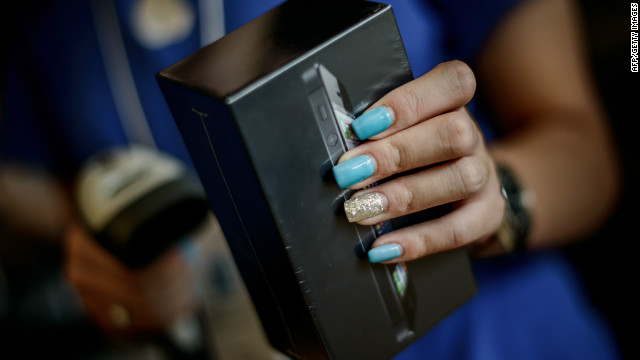
An Apple employee holds an iPhone 5 for a customer at a Hong Kong Apple store on September 21, 2012.

An Apple employee holds an iPhone 5 for a customer at a Hong Kong Apple store on September 21, 2012.

STORY HIGHLIGHTS


  • The iPhone 5 has sold more than 5 million units, but some users have gripes

  • The top complaint has been about a spotty maps app that replaced Google Maps

  • A video shows the aluminum casing scratching easily

  • Light leaks have also been reported


(CNN) -- Apple's iPhone 5 broke records over the weekend, selling more than 5 million units.

Most of those new owners, many of whom lined up at Apple stores and other retailers, are presumably happy with their new gadget, which has been praised for its bigger display screen, lighter and thinner form, and faster processor.

But, as with many new tech products, there have been glitches, too. As the new iPhones get road-tested, buyers have taken to the Web to complain about issues ranging from the fixable to the unfortunately final.
The doozy has been a spotty maps application. For the first time, Apple's latest operating system replaced rival Google's mapping service with its own. As many people got their first look at it with a new phone, they've found huge chunks of the world missing, or locations showing up in the wrong place. (Apple said the app is a work in progress and will be fixed.)

Plenty has been written about that issue. But other gripes have emerged as well. Some sound legitimate. And, given the hyper-intense nature of the tech world's "love-hate" relationship with their gadgets, a couple just sound downright silly.

After a few days of putting the new smartphone through its paces, here are five gripes people have with the iPhone 5.

Google: No plans 'yet' for iOS 6 mapping app

1. Scratches

Apple prides itself on making products that aren't just functional but beautiful as well.

But users are reporting that after having their iPhone 5s for only days, or even hours, the sheen on the sleek, aluminum phone is getting scratched up.

Melissa Jenna Godsey at iFixIt.com posted a YouTube video of her 2-year-old daughter hitting and scratching the phone's aluminum rear case with a set of keys, creating visible scratches and dents. Similar scuffing of the iPhone 4S revealed little, if any, damage.

"I know this is kind of an extreme case, but she's not the strongest two-year-old," Godsey said. "And this all just happened, so I can only imagine what this is going to look like after a couple of weeks of solid use."

Answering an e-mail from a user, Phil Schiller, Apple senior vice president of worldwide marketing, downplayed the issue.

"Any aluminum product may scratch or chip with use, exposing its natural silver color," Schiller said in the e-mail, reported and verified by Apple-centric blog 9to5 Mac. "That is normal."

Translated on Twitter by PC Mag writer Sascha Segan: "Apple: iPhones Aren't Chipping, They're Just Shedding Their Skins To Become Beautiful Butterflies."

2. Lightning dock connector

The tech world is nothing if not full of change. But many longtime Apple users are irked at the company's decision to use a smaller connector port, called Lightning, on the iPhone 5 and new iPods. With one fell swoop, that meant both a need for new power cords and that the new products won't connect with older speaker systems, alarm clocks and other accessories.

The fix? A $29 adapter (which costs $39 if you want a new cable with it). And even then, the adapter doesn't support video or the "iPod out" function for transmitting some data from the devices.

"Day 3 of having the new iPhone and I already lost the power cord #thanksapple," wrote one Twitter user.

"It's time to gouge our customers for a ton more money," Disqus commenter dawsg4ever quipped.

A Lightning-to-USB cable costs $19 and, according to Apple's website, currently has a one- to two-week wait time to be shipped.

3. The phone's too light

We told you some of these are kind of weird.

One of Apple's selling points for the new phone is that it's the lightest smartphone ever.

One of the emerging complaints? That it's the lightest smartphone ever.

To some users, a phone without the usual heft feels suspiciously cheap, toylike. Gizmodo rounded up some of the gripes under the headline, "The Weirdest Thing People Hate About the iPhone 5."

Those, culled from Twitter, included these nuggets:

• "Can I be honest and say I wish the iPhone 5 was slightly thicker and heavier. Hate thin phones!"

• "Held the iPhone 5. Way too light for this spazz-attack. I need a heavier phone so I don't completely destroy it."

• "This new iPhone is way too light. I feel like its gonna just fly outta my hand with the slightest breeze #firstworldproblems"

Should you upgrade to the iPhone 5?

4. Screen issues

OK ... there are 5 million new phones in the wild now, so inevitably there are going to be some lemons. It's hard to know how widespread it is, but a handful of problems with the phone's touchscreen are bubbling up, too.

One YouTube video shows what appear to be weird bubbles showing up on one part of the display screen when the user touches another.

Threads on the Macrumors site also were filling up with people who said their screens started flickering just hours after getting their new phone.

5. Leaking light

Phones aren't supposed to leak. But users on multiple forums are reporting that light from the screen appears to be showing through gaps around the iPhone 5's antenna and power button.

Boy Genius Report said it's happening on one of its phones and shows light streaming out of a small crack beneath the power button. The report said the leak is only visible in low light. Users said Apple has been offering replacements.

5 big changes in iOS 6


Source & Image : CNN Tech